If you are adding a gorilla trek onto a Kenya safari, you want a straight answer to volcanoes gorilla trek what to expect before you land in Rwanda. The trek follows a fixed daily rhythm. But the details, how long you walk, which family you meet, and what happens if the pace is too fast, catch most first-timers off guard. Here is what actually happens, stage by stage, along with the trade-offs that promotional pages tend to skip.
Volcanoes Gorilla Trek What to Expect: What Happens on Trek Day?
A Volcanoes gorilla trek starts at 7am with registration and briefing at Kinigi park headquarters, where rangers sort trekkers into one of 12 habituated family groups by fitness level. A 4×4 transfer to the trailhead follows, then a hike of 1 to 6 hours before you reach your assigned gorilla family and get your hour with them.
The day breaks into eight distinct stages:
- Check-in and briefing at Kinigi park headquarters, starting around 7am.
- A quick fitness conversation with rangers, who use it to sort groups.
- Family assignment based on that fitness read, not your request.
- A 4×4 transfer to your group’s trailhead.
- The guided hike toward the assigned family, anywhere from 1 to 6 hours.
- A handoff to trackers who have already located the gorillas that morning.
- The 60 minute encounter itself.
- The return hike and certificate presentation back at Kinigi.
That last stage matters more than it sounds. Trekkers who complete a Volcanoes trek receive a certificate at the park headquarters, a small but genuinely nice bookend to the day.
How Hard Is Gorilla Trekking at Volcanoes National Park?
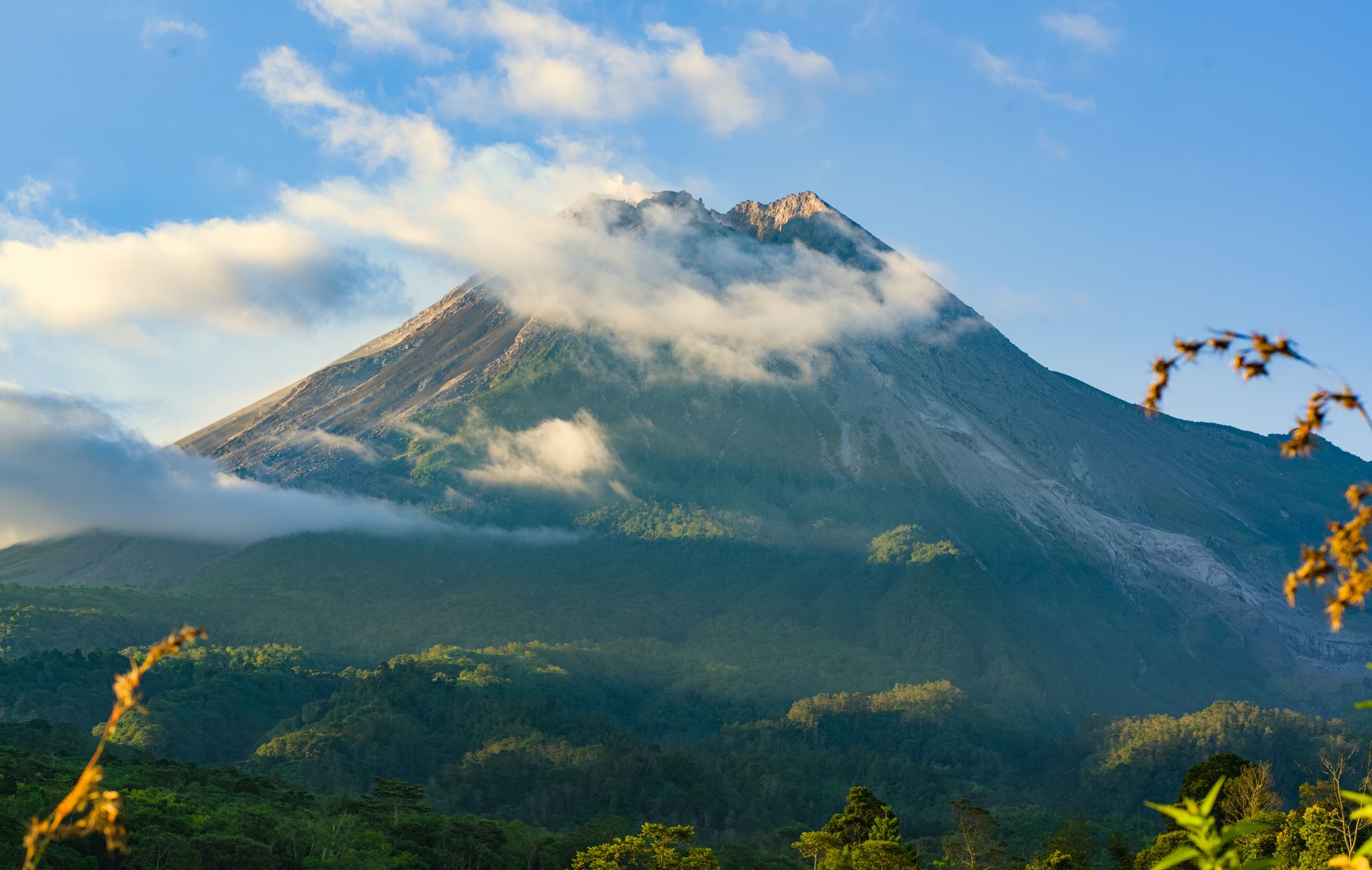
Hikes range from a flat 1 hour walk to a steep 6 hour climb at 2,400 to 4,500 meters elevation. The exact hike depends on where the assigned family is feeding that day. Volcanic slopes and thin air make it harder than the distance implies. A porter, typically $15 to $20, and a walking stick help even fit trekkers.
Gorilla trekking difficulty is really a question of altitude and terrain, not distance. The volcanic soil is loose in places and firm in others, and a short hike at 3,500 meters can leave a fit hiker breathing harder than expected. Hiring a porter is not a sign of weakness. It also puts a little income directly into the hands of local families who work the park boundary.
How Are Gorilla Families Assigned to Trekking Groups?
Rangers assign families the morning of the trek based on fitness reported at check-in, not traveler preference. Slower groups usually reach closer families such as Sabyinyo, while fitter hikers may be sent toward Susa or Karisimbi. Operators can request a family in advance, but rangers make the final call at Kinigi.
This is the part most guides gloss over. You can tell your operator which of the gorilla families at Volcanoes National Park you would prefer to see. A good operator will pass that along. But the final sort happens on the morning of your trek, based on who is standing in front of the rangers and how they answer basic fitness questions. If you want more control over the outcome, our guide to choosing which gorilla family to trek walks through how to flag a preference early and what actually moves the needle.
What Is the One Hour Gorilla Encounter Actually Like?
Once your group locates the family, rangers allow exactly 60 minutes of observation from a mandatory 7 meter distance. Curious juveniles often close that gap on their own. Expect a resting silverback, nursing mothers, and play wrestling youngsters. A mask is required near the gorillas and flash photography is banned.
The sequence tends to repeat itself. You usually meet the silverback first, often resting or feeding within sight of the rest of the group. Mothers with infants stay close to him, and juveniles are the ones most likely to wander toward trekkers out of curiosity rather than the other way around. Rangers keep the pace calm and quiet, and your guide will tell you when the hour is up. It moves faster than it sounds.
Dry Season or Wet Season: Which Is Better for Gorilla Trekking?
June through September and December through February are dry seasons with hardened trails that make climbing easier, but permits sell out months ahead. March through May and October through November bring mud and mandatory rain gear. Gorillas often descend to lower, easier to reach slopes during these months, shortening the hike.
| Season | Months | Trail Conditions | Permit Availability | Hike Trade-off |
|---|---|---|---|---|
| Dry season | June to September, December to February | Hardened trails, easier footing | Books out fastest, plan 4 to 6 months ahead | Gorillas range higher, hikes can run longer |
| Wet season | March to May, October to November | Muddy, slippery, rain gear required | Easier to secure closer to travel dates | Gorillas often feed lower, hikes can be shorter |
Neither season is objectively better. It comes down to whether you would rather fight for a peak-season permit or fight the mud.
What Should You Pack and Wear for the Trek?
Pack waterproof hiking boots, a rain jacket, gardening gloves for stinging nettles, long trousers tucked into socks, and 2 to 3 liters of water. A porter, around $15 to $20, will carry your daypack. Most operators recommend layering, since morning cold at altitude gives way to humid midday forest heat.
A Volcanoes National Park packing list is short but specific. Skip cotton, since it stays wet once you sweat or brush through damp vegetation. If you are combining this with a Kenya safari, our Kenya safari packing list covers the overlapping gear. It is also worth checking when to time pre-trip vaccinations, since some need several weeks to take effect before altitude exertion.
How Much Does a Volcanoes Gorilla Trekking Permit Cost?
A Volcanoes National Park gorilla permit costs $1,500 per person, capped at 96 permits daily across 12 families of up to 8 trekkers each. Book through the Rwanda Development Board or a licensed operator 4 to 6 months ahead for peak dry season dates. Trekkers must be at least 15 years old.
The permit fee does not typically cover tips for your guide, trackers, and porters. Our breakdown of how much to tip your trekking guide and porters gives a working range. You will not be guessing on the morning of the hike. Permits are largely non-refundable. It is worth understanding what happens if your trek gets canceled before you lock in a date, especially if you are traveling during shoulder season.
What Happens if a Gorilla Approaches or Charges?
If a silverback charges, rangers instruct you to crouch, avoid direct eye contact, and stay silent until it backs off. Real aggression toward habituated families is rare after years of habituation work. Armed rangers and trackers accompany every group, and sudden movement or running is what actually provokes a reaction.
Bluff charges happen more often than real ones, and they are part of normal silverback behavior, not a sign that something has gone wrong. Your guide has seen this before and will tell you exactly what to do in the moment. Trust the instruction over instinct.
Which Trekking Season Is Right for You?
If predictable weather and firmer trails matter more to you than last-minute availability, book a dry season date and plan for it months in advance. If your travel dates are flexible and you do not mind mud, wet season trekking is worth considering. Gorillas feed lower on the slopes then, which often means shorter hikes. Permits are also easier to find closer to your travel window.
Either way, this trek pairs naturally with a Kenya-based itinerary, and it is worth comparing where the money actually goes before you commit. To compare safari operators and browse gorilla trekking packages alongside a Kenya safari, check FindMySafari, Valley Safaris, or Trunktrails Safaris.
Where Can You Find More Safari Planning Resources?
- Best time to visit Kenya map from SafariPure
- Best time to visit Kenya from Trunktrails Safaris
- Best time to visit Kenya month-by-month map from Valley Safaris
- Family safari collection on FindMySafari